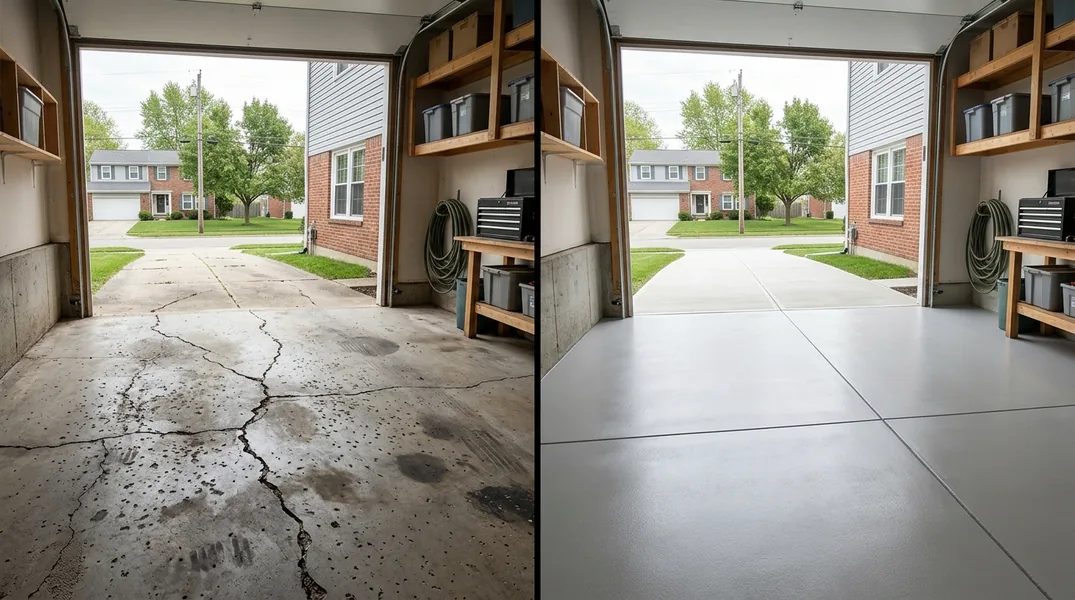
Why Resealing Your Concrete Driveway Matters in Central Ohio
Your concrete driveway is one of the largest investments on your property. In Columbus, where winters bring freeze-thaw cycles and summer heat can be intense, your driveway faces constant stress. Without proper maintenance, concrete begins to deteriorate within just a few years, leading to cracks, spalling, and costly repairs.
Resealing is one of the most effective ways to extend your driveway's lifespan and protect it from the elements. A quality concrete sealer acts as a barrier against water penetration, UV rays, and harsh chemicals like road salt. When you reseal regularly, you're essentially giving your driveway a protective shield that keeps moisture from seeping into the pores of the concrete. This simple maintenance step can add years, even decades, to the life of your investment and save you thousands in repair costs down the road.
Understanding Central Ohio's Climate Challenges for Concrete
Central Ohio's climate is particularly tough on concrete driveways. The region experiences significant temperature fluctuations throughout the year, with winters that regularly dip below freezing and summers that can reach the high 80s. This constant expansion and contraction puts tremendous stress on concrete, causing it to crack and weaken over time. Additionally, Columbus receives a fair amount of precipitation, both rain and snow, which means your driveway is exposed to moisture for extended periods.
The freeze-thaw cycle is particularly damaging. When water enters the pores of unsealed concrete and then freezes, it expands and creates pressure from within. This pressure pushes outward, causing the concrete to crack and spall. Road salt, commonly used during winter months to melt ice, also accelerates deterioration by seeping into cracks and breaking down the concrete's structure. Without a protective seal, your driveway can develop significant damage within just two to three years of exposure to these conditions. This is why regular resealing is not just recommended in Central Ohio, it's essential.
Signs Your Driveway Needs Resealing
Knowing when to reseal your driveway is crucial for maintaining its integrity. The most obvious sign is water beading on the surface. When a newly sealed driveway is wet, water forms little beads and rolls off. If you pour water on your driveway and it absorbs into the concrete instead of beading up, your seal has worn away and it's time for resealing. You should typically reseal your driveway every two to three years in Central Ohio's climate, though this timeline can vary depending on traffic volume, sun exposure, and the quality of the original seal.
Other warning signs include a dull, faded appearance, visible cracks, or areas where the concrete looks darker or stained. You might also notice that dirt and debris stick to the surface more easily, or that the driveway is more slippery when wet. These changes indicate that the protective seal is breaking down and your concrete is becoming vulnerable to damage. If you're unsure whether your driveway needs resealing, contact Columbus Concrete at (380) 270-2832 for a professional assessment. We can evaluate the condition of your driveway and recommend the best course of action to keep it in top shape.
Step-by-Step Guide to Resealing Your Concrete Driveway
Resealing a concrete driveway involves several important steps, and doing it correctly is key to achieving lasting results. The first step is thorough cleaning. Your driveway must be completely clean before sealing, as dirt, oil, and debris will prevent the sealer from bonding properly to the concrete. Use a pressure washer set to 3000 PSI or less to avoid damaging the concrete surface. Pay special attention to cracks, crevices, and stained areas. For stubborn stains, you may need to use a concrete cleaner or degreaser. After pressure washing, allow the driveway to dry completely, which typically takes 24 to 48 hours depending on weather conditions.
Once your driveway is clean and dry, the next step is to fill any cracks. Small cracks can be filled with a concrete crack filler, while larger cracks may require concrete repair and resurfacing services. This is important because sealer alone cannot fix structural damage. After repairs are complete and fully cured, you're ready to apply the sealer. Choose between an acrylic sealer, which is budget-friendly and easy to apply, or a polyurethane or epoxy sealer, which offers superior protection and durability. Follow the manufacturer's instructions carefully, applying the sealer in thin, even coats using a roller or sprayer. Most sealers require two coats, with drying time between applications. Allow at least 48 hours of dry weather after sealing before allowing traffic on the driveway.
Concrete Driveway Maintenance Tips to Maximize Sealer Lifespan
Maintaining your sealed driveway properly will help you get the most out of your resealing investment. Start by keeping your driveway clean and free of debris. Regular sweeping and occasional rinsing will prevent dirt buildup and reduce staining. Avoid using harsh chemicals or de-icing salts if possible, as these can break down the sealer over time. If you must use salt during winter, apply it sparingly and rinse the driveway as soon as temperatures rise above freezing.
Prompt attention to spills is also important. Motor oil, gasoline, and other fluids can penetrate the sealer and stain the concrete. Clean up spills immediately with an appropriate degreaser. During winter months, use a plastic shovel instead of a metal one when removing snow, as metal can scratch and damage the sealer. Finally, plan to reseal your driveway every two to three years to maintain optimal protection. By following these maintenance tips and staying on top of resealing, you can keep your driveway looking beautiful and protected for decades to come.
When to Call a Professional for Concrete Driveway Resealing Near Me
While some homeowners choose to reseal their driveways themselves, there are many reasons to hire a professional. Professional contractors have access to high-quality commercial-grade sealers that provide superior protection compared to retail products. They also have the expertise and equipment to ensure proper application, which is critical for achieving lasting results. A poorly applied sealer can peel, flake, or fail prematurely, wasting your time and money.
At Columbus Concrete, we understand the unique challenges that Central Ohio's climate presents to concrete surfaces. Our team has years of experience resealing driveways throughout the region, and we know exactly what it takes to protect your investment. We use proven techniques and premium materials to ensure your driveway receives the best possible protection. If you're ready to extend the life of your driveway and protect it from Central Ohio's harsh weather, reach out to us for a free estimate. Call us at (380) 270-2832 to discuss your driveway's needs and learn how we can help.
Looking for a professional tree service in Columbus? Columbus Concrete responds fast for all your concrete needs.
Get a Free QuoteOur services: Concrete Driveways · Concrete Patios · Stamped & Decorative Concrete