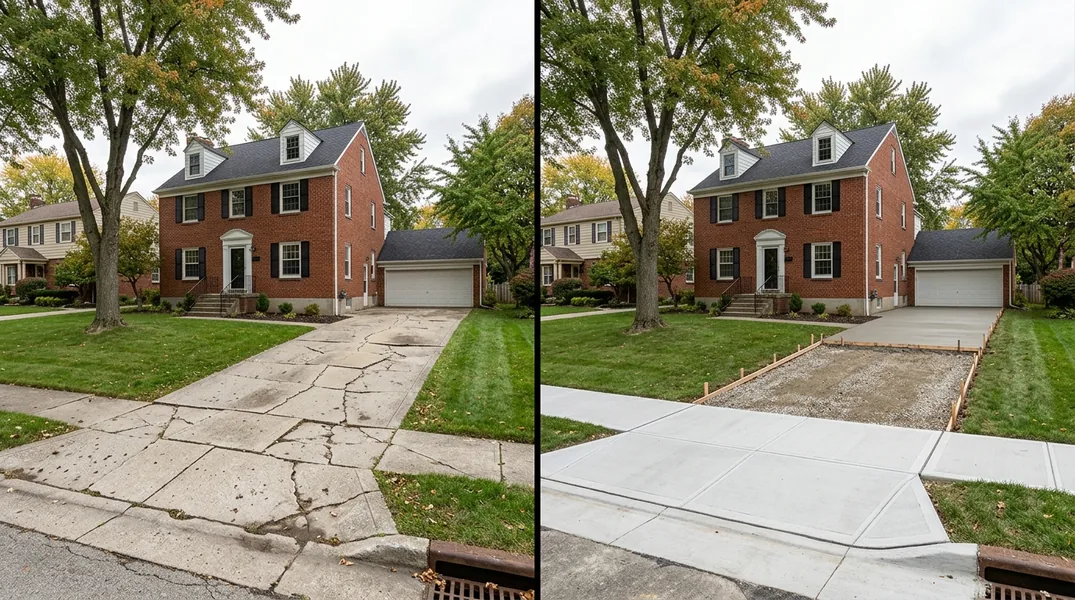
Why Timing Matters When Pouring Concrete in Ohio
Pouring concrete is not a one-size-fits-all proposition, especially in Columbus, where seasonal weather swings can dramatically affect how your concrete sets and cures. Many homeowners assume they can pour concrete whenever they need it, but the truth is that temperature, humidity, and precipitation play critical roles in determining whether your project will last for decades or develop cracks and surface problems within a few years.
The curing process for concrete is a chemical reaction that requires specific conditions to occur properly. When you pour concrete in the wrong season or during unfavorable weather, you're essentially gambling with your investment. Understanding concrete curing weather conditions helps you avoid costly mistakes and ensures your Concrete Driveways, patios, or other installations will perform as expected. This guide will walk you through the ideal concrete pouring season in Columbus and help you plan your project accordingly.
Spring and Fall: The Goldilocks Seasons for Concrete
Late spring through early summer and early fall through mid-autumn represent the sweet spot for pouring concrete in Ohio. During these periods, temperatures typically range between 50 and 85 degrees Fahrenheit, which is ideal for the hydration process that concrete requires. In spring, usually from May through June, the weather is warming up predictably, and rainfall, while possible, tends to be manageable. The ground has thawed from winter, making site preparation easier, and you have plenty of daylight hours for the work to progress smoothly.
Fall, particularly September through early October, offers similar advantages with the added benefit of cooling temperatures that actually slow down the concrete curing process in a controlled way. This extended curing window gives the concrete more time to develop its full strength properly. Both seasons offer moderate humidity levels, which prevent the concrete surface from drying too quickly (which causes cracking) or too slowly (which weakens the final product). If you're planning Concrete Patios or other outdoor installations, these seasons also mean fewer rain interruptions and more predictable working conditions for your contractor.
Summer Challenges: Heat and Rapid Evaporation
While summer might seem like an obvious time to tackle outdoor concrete projects, the intense heat and low humidity of June through August in Ohio actually create significant challenges. When temperatures soar above 85 degrees Fahrenheit, concrete begins to cure too rapidly. This accelerated curing causes the surface to harden faster than the interior, trapping moisture and creating internal stress that leads to cracking, scaling, and reduced durability. The hot sun also causes rapid evaporation of the water needed for proper hydration, which is essential for concrete to reach its designed strength.
Additionally, summer heat can cause the concrete mix itself to become too warm before it's even placed, making it difficult for workers to finish the surface properly. If you absolutely must pour concrete during summer months, you'll need special precautions like cooling the mix, using retarders to slow curing, and protecting the surface from direct sun during the critical first week. These extra measures increase pricing and don't guarantee results as good as spring or fall work. Most experienced concrete contractors in Columbus recommend scheduling projects for cooler months whenever possible.
Winter Pouring: Why It's Generally Not Recommended
Winter concrete pouring in Ohio is fraught with risks and should only be considered in exceptional circumstances. Temperatures below 50 degrees Fahrenheit slow the hydration process dramatically, meaning concrete takes much longer to cure and may not reach adequate strength for months. Worse, if temperatures drop below freezing during the critical first 24 to 48 hours after pouring, water in the concrete can freeze, expand, and cause permanent damage to the structure. Once concrete has frozen before fully curing, there's no way to reverse the damage.
Snow and ice also complicate site preparation and finishing work, making it harder for your contractor to achieve a quality result. Winter moisture from melting snow can oversaturate the concrete, weakening it further. While specialized techniques like using heated enclosures and chemical accelerators exist, they're expensive, time-consuming, and still don't guarantee success. If you're considering Stamped & Decorative Concrete or other specialty finishes, winter is particularly problematic because the decorative elements require precise timing and ideal conditions to look their best. Unless you have an emergency situation, waiting until spring is almost always the smarter choice.
Planning Your Project: When to Contact a Local Contractor
If you're thinking about adding a new concrete surface to your home, the time to start planning is several months before your ideal pouring window. Reputable contractors in Columbus often book up quickly during peak seasons, so calling early gives you the best chance of securing your preferred dates. When you reach out for a free estimate, experienced contractors can assess your site conditions, discuss the best timing for your specific project, and help you understand what to expect during different seasons.
Columbus Concrete recommends scheduling consultations in late winter or early summer if you want spring or fall work, respectively. This advance planning allows your contractor to prepare materials, coordinate with suppliers, and ensure weather forecasts align with your project timeline. If you already have concrete that needs attention, Concrete Repair & Resurfacing work can often be scheduled more flexibly, though spring and fall are still ideal. Contact Columbus Concrete at (380) 270-2832 to discuss your project and find out when we recommend pouring for your specific needs.
Curing Weather After the Pour: The First Critical Week
Even if you pour your concrete during the perfect season, the first seven days after pouring are absolutely critical to the final outcome. During this period, the concrete is still curing and is extremely vulnerable to temperature fluctuations, excessive moisture, and physical disturbance. Ideally, temperatures should remain between 50 and 85 degrees Fahrenheit during this entire window, with consistent humidity levels. Sudden temperature drops, heavy rains, or unexpected frost can all compromise the concrete's strength and appearance.
Professional contractors protect freshly poured concrete by covering it with plastic sheeting or blankets, especially if weather conditions become unstable. They monitor forecasts closely and adjust their curing protocols based on actual conditions. This is why working with an experienced local contractor who understands Ohio's unpredictable spring and fall weather patterns is so valuable. They know how to respond quickly to changing conditions and take preventive measures that homeowners might not think of. If you're planning a concrete project in Columbus, ask your contractor about their curing protection procedures and what they do to ensure optimal concrete curing weather conditions, even when Mother Nature doesn't cooperate.
Looking for a professional tree service in Columbus? Columbus Concrete responds fast for all your concrete needs.
Get a Free QuoteOur services: Concrete Driveways · Concrete Patios · Stamped & Decorative Concrete